
Modern Home Remodeling in Washington DC: Process, Permits, and Best Practices
Homeowners in Washington DC are increasingly investing in renovation projects to improve comfort, increase property value, and modernize older homes. Many properties in the city and surrounding DMV region were built decades ago, making remodeling an effective way to adapt these homes to contemporary living standards. However, successful renovation requires careful planning, proper permits, professional coordination, and experienced contractors. Companies like Modern Style Construction LLC, a residential remodeling contractor serving Washington DC, Silver Spring MD, and the surrounding DMV region, help homeowners manage every stage of the renovation process—from planning and permits to construction and project management.
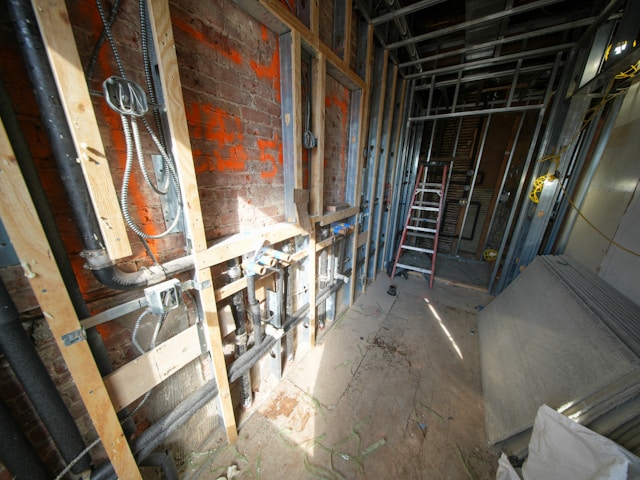
Understanding Modern Home Remodeling in Washington DC: Process, Permits, and Best Practices is essential for homeowners who want their renovation projects to run smoothly while remaining compliant with local building regulations. From kitchen upgrades to full-home renovations, the remodeling process involves multiple professionals, government approvals, and technical planning.
Companies such as Modern Style Construction, LLC, located at 2408 Sheraton St., Silver Spring MD 20906, help homeowners throughout Washington DC, Silver Spring MD, and the surrounding DMV region manage these complex projects. Their services include residential remodeling, project management, architect coordination, permitting, and subcontractor management. Homeowners can reach the company at 301-560-6970 or visit https://www.remodelingwashingtondc.org/ for more information.
This guide explains the essential aspects of modern home remodeling in Washington DC, including project planning, permits, architectural collaboration, subcontractor coordination, and best practices for successful renovations.
Understanding Home Remodeling
Home remodeling refers to the process of improving or modifying an existing residential property. Unlike building a new home, remodeling focuses on upgrading current spaces to improve functionality, appearance, and efficiency.
In Washington DC, remodeling projects often involve adapting historic or older homes to modern lifestyles. These upgrades can range from small improvements to full structural transformations.
Common Remodeling Projects
Several types of remodeling projects are particularly popular among DC homeowners:
Kitchen Remodeling
The kitchen is often considered the heart of the home. Remodeling projects may include installing new cabinets, modern appliances, countertops, and improved lighting. Kitchen renovations also frequently involve redesigning layouts to improve workflow and storage.
Bathroom Renovation
Bathroom remodeling focuses on modern fixtures, improved ventilation, efficient plumbing systems, and updated tile designs. Many homeowners also incorporate water-efficient fixtures and spa-like elements such as walk-in showers.
Basement Finishing
Basements in many DC homes are unfinished or underutilized. Finishing a basement can create additional living space such as guest suites, home offices, or entertainment areas.
Home Additions
When homeowners need more space, additions can expand living areas without relocating. Examples include extra bedrooms, sunrooms, or expanded kitchens.
Interior Redesign
Interior remodeling focuses on updating flooring, wall layouts, lighting, and design aesthetics to create a modern look.
Benefits of Remodeling
Home remodeling provides several advantages:
- Increased property value
- Improved functionality and space utilization
- Enhanced energy efficiency
- Updated and modern aesthetics
Because of these benefits, many homeowners consider remodeling a long-term investment.
The Importance of Construction Project Management
One of the most critical aspects of Modern Home Remodeling in Washington DC: Process, Permits, and Best Practices is professional project management. Renovation projects involve numerous moving parts, including scheduling, budgeting, design coordination, and contractor oversight.
Without proper coordination, projects can easily experience delays, cost overruns, or quality issues.
Key Participants in Remodeling Projects
Successful remodeling projects involve collaboration between several professionals:
Homeowners
Homeowners define project goals, approve budgets, and make design decisions.
Architects
Architects create detailed design plans that ensure structural safety, efficient layouts, and compliance with zoning regulations.
Contractors
Contractors manage construction activities, supervise labor, and ensure that work meets building codes.
Subcontractors
Specialized professionals such as electricians, plumbers, and HVAC technicians perform specific tasks.
City Inspectors
Government inspectors review completed work to ensure safety compliance.
Utility Companies
Utility providers may also be involved when upgrades affect electrical, gas, or water systems.
Best Practices in Project Management
Effective remodeling projects follow several key best practices:
- Establishing a clear project timeline
- Maintaining budget transparency
- Ensuring professional supervision
- Following permit and building code requirements
Professional contractors such as Modern Style Construction, LLC often coordinate these aspects to help homeowners avoid common project complications.
Building Permits in Washington DC
A major component of Modern Home Remodeling in Washington DC: Process, Permits, and Best Practices is obtaining the correct building permits before construction begins.
Permits are legal approvals issued by the DC Department of Buildings (DOB) that ensure construction projects comply with safety standards and zoning regulations.
Homeowners can learn more about permitting requirements through the official website: https://dob.dc.gov
Types of Permits
Several types of permits may be required depending on the scope of the project.
Structural Permits
These permits are required when projects involve structural changes such as removing walls, building additions, or modifying foundations.
Electrical Permits
Electrical permits are required for installing new wiring, outlets, lighting systems, or electrical panels.
Plumbing Permits
Plumbing permits apply to new water lines, drainage systems, or bathroom renovations.
Mechanical Permits
Mechanical permits cover HVAC installations, ventilation systems, and heating equipment.
Why Permits Are Important
Permits are not simply bureaucratic requirements. They serve several critical purposes:
- Ensuring construction safety
- Protecting property value
- Preventing legal penalties or fines
- Confirming that work meets building codes
Failing to obtain proper permits can result in costly repairs or legal complications during property sales.
Experienced contractors often handle the permit application process on behalf of homeowners, simplifying the procedure.
Architects and Design Collaboration
Another key element of Modern Home Remodeling in Washington DC: Process, Permits, and Best Practices is collaboration between architects and contractors.
Architects play a crucial role in developing design plans that combine aesthetics with structural integrity. In many remodeling projects, especially those involving structural changes or additions, architectural drawings are required before permits can be issued.
Role of Architects
Architects contribute to remodeling projects by:
- Creating detailed architectural plans
- Designing efficient and functional layouts
- Ensuring structural safety
- Meeting zoning and building regulations
They also help homeowners visualize design concepts through sketches, digital models, and material recommendations.
The Collaboration Process
A typical remodeling workflow follows this sequence:
Homeowner → Architect → Contractor → City Approval
- The homeowner discusses goals and preferences with the architect.
- The architect creates design plans and technical drawings.
- The contractor evaluates construction feasibility and cost estimates.
- Permit applications are submitted to the city for approval.
This collaborative approach ensures that design ideas remain realistic and compliant with building regulations.
Resources such as the American Institute of Architects (AIA) provide guidance on architectural design standards: https://www.aia.org
Subcontractors in Remodeling Projects
Remodeling projects require multiple specialized professionals. These experts, known as subcontractors, perform specific tasks within the construction process.
Common Subcontractors
Typical subcontractors involved in remodeling include:
- Electricians – install wiring, lighting, and electrical systems
- Plumbers – manage water supply and drainage systems
- HVAC specialists – install heating, ventilation, and air conditioning systems
- Tile installers – complete flooring and wall tile work
- Carpenters – build cabinets, framing, and structural elements
Why Coordination Matters
Managing subcontractors can be challenging because their work must occur in a specific sequence. For example, plumbing and electrical systems must be installed before drywall or flooring.
Professional contractors coordinate subcontractors to maintain efficiency and quality throughout the project.
This coordination helps prevent scheduling conflicts, construction errors, and unnecessary delays.
Common Remodeling Challenges and Solutions
Even well-planned remodeling projects can face challenges. Understanding these issues in advance can help homeowners prepare for potential obstacles.
| Challenge | Solution |
|---|---|
| Permit delays | Hire experienced contractors familiar with local approval processes |
| Budget overruns | Develop a detailed project plan and contingency budget |
| Design conflicts | Encourage close collaboration between architects and contractors |
| Scheduling issues | Use structured project management and clear timelines |
Professional remodeling companies often provide comprehensive project management services to help resolve these challenges.
Energy Efficiency in Modern Remodeling
Energy efficiency is becoming an increasingly important consideration in home remodeling projects. Many homeowners upgrade insulation, windows, appliances, and lighting systems to reduce energy consumption.
Energy-efficient improvements can reduce utility costs and improve environmental sustainability.
Programs such as ENERGY STAR Home Improvement provide guidelines for energy-efficient renovations: https://www.energystar.gov
Common energy-efficient upgrades include:
- Energy-efficient windows
- Improved insulation
- LED lighting systems
- High-efficiency HVAC equipment
- Smart home thermostats
These upgrades not only improve comfort but also increase property value.
Best Practices for Successful Remodeling Projects
Homeowners planning renovation projects should follow several best practices to ensure a smooth experience.
1. Plan Carefully
Clearly define project goals, priorities, and budgets before beginning construction.
2. Hire Qualified Professionals
Working with experienced contractors and architects improves design quality and ensures regulatory compliance.
3. Understand Permit Requirements
Obtaining the necessary permits early in the process helps avoid costly delays.
4. Maintain Clear Communication
Regular communication between homeowners, contractors, and designers helps prevent misunderstandings.
5. Focus on Long-Term Value
Investing in durable materials, energy efficiency, and thoughtful design increases long-term benefits.
Choosing the Right Remodeling Partner
Selecting a professional remodeling contractor is one of the most important decisions homeowners can make.
An experienced contractor provides:
- Project management
- Permit coordination
- Design collaboration
- Subcontractor supervision
- Quality control throughout construction
Companies like Modern Style Construction, LLC specialize in residential remodeling projects across the Washington DC and Silver Spring MD areas. Their experience managing permits, coordinating architects, and supervising subcontractors helps homeowners complete renovations efficiently and safely.
Conclusion
Modern home renovation projects require more than just construction skills. They involve careful planning, architectural design, government permits, and professional project management.
Understanding Modern Home Remodeling in Washington DC: Process, Permits, and Best Practices allows homeowners to approach remodeling projects with confidence and realistic expectations.
From kitchen upgrades and bathroom renovations to full home additions, successful remodeling depends on proper coordination between homeowners, architects, contractors, and city authorities. With the right planning and professional guidance, homeowners can transform older properties into comfortable, modern living spaces while maintaining compliance with Washington DC building regulations.