
The Secret to a Perfect Kitchen Remodel: Expert Coordination and High-Quality Finishes
To achieve a perfect kitchen remodel, you need to focus on expert coordination and high-quality finishes. Start by defining your goals and collaborating with a skilled general contractor who manages everything from layouts to timelines. Quality materials like custom cabinetry and durable countertops enhance both beauty and functionality. Pay attention to the work triangle, ensuring your stove, refrigerator, and sink are efficiently positioned. Smart lighting options can transform the space, creating an inviting atmosphere. With meticulous planning and execution, you can turn your dream kitchen into a reality. There’s so much more to explore on this journey!
Introduction
A perfect kitchen remodel can transform your home into a culinary oasis, elevating both functionality and style. When you begin this exciting journey, your first step is choosing professional kitchen remodeling services tailored to your specific needs. Skilled kitchen renovation contractors in DC can guide you through the process, ensuring you make the most informed decisions about layout, appliances, and materials.
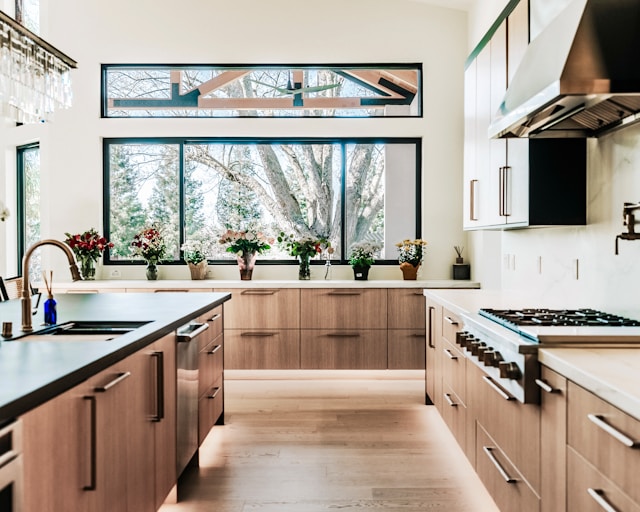
Think about the flow of the space; it’s crucial to create an environment where cooking feels effortless. Use high-end kitchen finishes, like custom cabinetry and granite countertops, to add that luxurious touch, while also boosting durability. The right lighting can enhance these finishes, creating an inviting atmosphere perfect for entertaining.
You’ll want to define your goals clearly, whether it’s increasing storage, improving layout, or simply wanting a fresh look.
Why Coordination Is the Key to Remodeling Success
Effective coordination is the backbone of a successful kitchen remodel, ensuring that every component aligns seamlessly. Without it, even the most exquisite design can falter. You’ll want to oversee every aspect, from the intricate kitchen design and build to the precise cabinet and countertop installation. Think about how many tradespeople and materials are involved; if one detail slips, your entire vision can unravel.
Establishing a clear timeline and setting expectations upfront is vital. When you’re undergoing a custom kitchen remodel, it’s important to coordinate the schedules of your contractors, ensuring they’re working in tandem rather than at cross-purposes. For example, while your cabinetry is being crafted, your countertops should be measured and prepared, so they’re ready for installation right after.
Regular check-ins with your contractors can eliminate miscommunication, and it helps to address any potential issues before they escalate. Remember, the perfect kitchen is about more than just aesthetics; it’s about functionality and ensuring all elements work together harmoniously. By emphasizing coordination, you’re not just remodeling a kitchen; you’re crafting a beautifully orchestrated space that meets all your needs.
Role of a General Contractor in Kitchen Renovations
One essential player in a successful kitchen renovation project is the general contractor, who acts as the central hub for all activities. They’re responsible for managing the entire process, ensuring every phase aligns with your vision and budget. In the bustling area of Kitchen Remodeling Washington DC, a skilled general contractor navigates the intricacies of local building codes and permits to streamline your project.
They’ll work closely with designers and tradespeople, handling everything from the initial stages to the finishing touches. By evaluating your objectives and incorporating modern kitchen design trends, your contractor will help you realize your dream space while maximizing functionality. They’ll also provide insights into kitchen renovation costs DC, helping you find high-quality finishes that fit your budget.
Your contractor’s expertise minimizes the risk of delays or costly mistakes, making them indispensable to your remodel’s success. With their guidance, you can focus on the exciting aspects of your new kitchen, confident that every detail, from layout to lighting, is in capable hands. Investing in a competent general contractor is essential for achieving a beautiful, durable kitchen that elevates your home.
Initial Planning and Kitchen Layout Design
Several key steps in the initial planning and kitchen layout design can make a significant difference in your remodel’s overall success. First, think about your lifestyle and how you use the kitchen. Create a list of must-haves and nice-to-haves, focusing on functionality and flow. Next, sketch out a few layout possibilities, considering elements like the work triangle—though we’ll dive deeper into that later.
When deciding on kitchen lighting design ideas, think about layering your lighting. Combine ambient, task, and accent lighting to create a warm and inviting atmosphere. For instance, pendant lights over an island can provide effective task lighting while also adding style. Don’t forget about under-cabinet lighting; it enhances both functionality and aesthetics.
Optimizing Space with Work Triangle Principles
Maximizing your kitchen’s efficiency hinges on understanding the work triangle principles, a design concept that enhances the flow between the three main work areas: the stove, refrigerator, and sink. The ideal layout forms a triangle that allows for seamless movement when preparing meals. The distance between these points shouldn’t be too far; ideally, each leg of the triangle should measure between 4 and 9 feet for an efficient workflow.
When you place your stove, refrigerator, and sink thoughtfully, you create an intuitive space where you can glide from one task to another without moving around obstacles. For example, if your sink is too far from your stove, washing ingredients becomes a cumbersome task, pulling you out of your cooking rhythm. An ideal work triangle also considers the kitchen’s overall shape. Whether it’s a galley, U-shaped, or L-shaped design, always keep the key work areas accessible.
Incorporating ample counter space near these areas further enhances efficiency, providing room for meal prep and staging. By applying the work triangle principles, you’ll transform your kitchen into a functional masterpiece, making everyday cooking a joy rather than a chore.
Selecting Cabinets, Countertops, and Layout Features
To elevate your kitchen’s functionality and beauty, selecting the right cabinets, countertops, and layout features is key. Start by considering the style and finish of your cabinets. Do you prefer sleek, modern lines, or the warmth of traditional wood? Choose finishes that complement your overall design scheme while providing durability.
Next, think about your countertops. Every surface should be not only attractive but also practical. Granite and quartz offer stunning aesthetics and resilience, while butcher block can bring warmth. Remember to factor in maintenance and staining, especially if you cook frequently.
When it comes to layout features, you’ll want to evaluate the flow and organization of your kitchen. The goal is to enhance the work triangle between the sink, stove, and refrigerator. Consider incorporating islands or breakfast bars, which not only create additional workspace but also serve as a gathering spot for family and friends.
Lastly, don’t overlook storage solutions—pullout shelves, lazy Susans, and drawer dividers can maximize function. By thoughtfully selecting these elements, you can create a kitchen that’s not only beautiful but incredibly efficient for everyday use.
Project Scheduling and Trade Coordination
When it comes to kitchen remodeling, staying on schedule is indispensable, and that’s where project scheduling and trade coordination come into play. You need to guarantee that every phase of your remodel flows smoothly, working like a well-oiled machine. Start by creating a thorough timeline that outlines each step, from demolition to installation. This logistical map helps you visualize significant milestones, making it easier to communicate with your contractors.
Effective trade coordination is equally important. You’ll want to clearly define roles and responsibilities for each contractor, whether they’re cabinet installers, electricians, or tile setters. Communicate expectations upfront to avoid confusion down the line, and schedule regular check-ins to address any issues immediately.
Moreover, anticipate delays caused by weather or material shortages by building buffer time into your project schedule. If you’re flexible and prepared for unforeseen challenges, it minimizes stress and keeps your remodel on track. Remember, a successful kitchen remodel isn’t just about beautiful finishes; it’s about making sure everything aligns seamlessly. By embracing meticulous project scheduling and robust trade coordination, you can achieve a hassle-free remodel that leaves you with the kitchen of your dreams.
Managing Electricians, Plumbers, and Installers
Effective management of electricians, plumbers, and installers is crucial for the seamless execution of your kitchen remodel. You need to verify that these tradespeople are coordinated efficiently to avoid delays and financial overruns. Start by defining clear roles and timelines for each professional. Schedule pre-construction meetings to establish expectations and review plans. This way, everyone understands their responsibilities from the get-go.
When it comes to plumbing and electrical work, precision is key. Make certain that your electricians have access to a detailed lighting plan and any electrical specifications required. For plumbers, confirm they’re aware of all fixture locations, including sinks and appliances, so they can work without unnecessary adjustments.
Regular check-ins can help you stay ahead of potential issues. Don’t hesitate to ask questions or request updates on their progress. It’s essential that any changes or challenges are communicated promptly to keep the project running smoothly. Ultimately, by maintaining open lines of communication and having a set schedule, you’ll create an environment where electricians, plumbers, and installers can collaborate effectively, guaranteeing high-quality results in your kitchen remodel.
Importance of Skilled Trades in Quality Outcomes
Skilled trades are absolutely essential for achieving quality outcomes in kitchen remodels. Without their expertise, even the best designs can falter. Whether it’s the meticulous precision of an electrician wiring your new lighting fixtures or a plumber guaranteeing your sinks and faucets function flawlessly, tradespeople bring the technical skills that translate ideas into reality.
Imagine the harmony of a beautifully tiled backsplash; that’s the handiwork of an experienced tiler who understands layout and material compatibility. Engaging skilled carpenters guarantees your cabinetry aligns perfectly, enhancing both functionality and aesthetics. You want cabinets that not only look good but also operate smoothly and stand the test of time.
Moreover, these professionals are well-versed in local building codes, which helps prevent costly missteps during the renovation. They know which materials are best for your chosen design and local climate, optimizing for durability and elegance. Partnering with skilled trades isn’t just about labor—it’s about crafting a cohesive kitchen that reflects your vision. By investing in their expertise, you assure that every detail, from layout to finishing touches, contributes to a remarkable and lasting transformation.
Demolition and Preparation Phase
The demolition and preparation phase marks an essential turning point in your kitchen remodel, setting the stage for all subsequent work. This is where your vision truly starts to materialize, but it requires careful planning and execution. First, you’ll need to clear out your existing kitchen elements, which might involve removing cabinets, countertops, and appliances. Don’t forget to address any plumbing or electrical systems that need relocating or upgrading—this is the perfect time to guarantee everything meets current codes.
Next, it’s vital to prepare the space for new installations. This means evaluating the existing structures and deciding what needs reinforcement or replacement. You might discover uneven flooring or outdated wiring that needs attention before moving on. Having a professional take a close look can save you time and money in the long run.
Cabinet and Appliance Installation Process
Typically, the cabinet and appliance installation process is where you’ll see your kitchen remodel truly come to life. This phase transforms your design dreams into tangible reality. First, the installation team will carefully position your cabinets. They’ll guarantee each piece is level and securely anchored to the wall, considering plumbing and electrical placements. You’ll want to be attentive here; any misalignment can affect everything from cabinet doors to appliance fits.
Once the cabinetry is secure, the team will move on to your appliances. Whether you’re opting for a sleek refrigerator or a state-of-the-art oven, they’ll meticulously fit each unit into its designated space. It’s essential these appliances connect correctly to water and electrical sources, so efficiency is key.
Don’t hesitate to ask questions about the process or voice concerns—open communication guarantees satisfaction. At this point, you should also start visualizing your countertops and backsplashes, as they’ll serve as the finishing touch to unify the look.
Flooring Installation and Surface Preparation
Flooring installation and surface preparation lay the foundation for your kitchen remodel, quite literally. It’s essential to start with a clean, level surface to guarantee that your new flooring will not only look great but also last for years. Begin by removing any existing flooring and checking for damage or moisture issues in the subfloor. Addressing these problems now will save you from headaches later on.
Once the subfloor is ready, you’ll want to choose your new flooring material wisely. Whether it’s hardwood, tile, or luxury vinyl, each option has its own benefits. Consider durability, maintenance, and how it complements your overall kitchen design.
After selecting your flooring, prepare it according to the manufacturer’s guidelines. This might involve acclimating the material or laying down underlayment for added comfort and moisture protection. When it’s time to install, precision is key. Start from the center of the room and work your way out, making sure that your cuts are clean and your seams line up perfectly.
In the end, meticulous surface preparation and thoughtful flooring choices will provide a robust base for your stunning kitchen remodel.
Lighting Design for Function and Ambiance
Creating the perfect lighting design for your kitchen enhances both functionality and ambiance, making it a fundamental aspect of your remodel. Start by evaluating your kitchen’s layout: consider task lighting above work areas like counters and islands to guarantee you have adequate illumination while cooking and prepping. Pendant lights above your island can provide focused light while adding visual flair.
Next, think about adding dimmer switches. They allow you to adjust the brightness based on the time of day or occasion, transforming a bustling cooking space into a cozy gathering area when entertaining friends. Natural light should also play a key role; maximize windows and consider reflective surfaces to amplify daylight.
Choosing the right fixtures is essential, so select styles that complement your overall design aesthetic—whether it’s sleek, modern, or rustic farmhouse. A consistent color temperature in your lighting will unify the space; a warm white light tends to create a welcoming atmosphere, while cooler whites are conducive for tasks.
Under-Cabinet, Ambient, and Accent Lighting
Harnessing the power of layered lighting can transform your kitchen into a multifunctional workspace and a welcoming gathering spot. Think about under-cabinet lighting as your secret weapon; it not only illuminates your countertops for food prep but creates a warm, inviting atmosphere. LED strips or pucks can add a sleek, modern touch while providing focused illumination where you need it most.
Ambient lighting, like recessed fixtures or pendant lights over an island, plays an essential role as well. This general lighting sets the overall mood and should be soft yet sufficient for daily tasks. Choosing dimmable options can give you flexibility, adjusting brightness for both cooking and entertaining.
Accent lighting further elevates the space; consider highlighting open shelving or artwork with strategically placed sconces or spotlights. These elements draw attention and add character, turning functional spaces into focal points.
Choosing High-Quality Finishes and Materials
When it comes to elevating your kitchen’s overall appeal, the choice of finishes and materials plays a significant role in achieving the desired atmosphere and functionality. Opt for high-quality materials that not only look great but also withstand daily wear and tear. For countertops, consider natural stone or quartz; they’re not just stunning but durable and low-maintenance too.
Cabinet finishes are another crucial aspect. Solid wood provides timeless elegance, while engineered materials can offer contemporary styles at a lower price point. When selecting cabinet hardware, prioritize metal finishes—such as brushed nickel or matte black—which can complement various designs and resist tarnishing over time.
Flooring options like porcelain tiles or hardwood can dramatically influence your kitchen’s ambiance. Choose finishes that evoke warmth and style; remember to think about ease of cleaning, too.
Backsplash, Paint, and Hardware Details
In the heart of your kitchen remodel, selecting the right backsplash, paint, and hardware can dramatically transform the space. The backsplash isn’t just functional; it’s a statement piece. Think about materials like subway tiles, mosaic glass, or natural stone. These can add texture and depth, drawing the eye and complementing your cabinetry and countertops.
Next up is paint. Choosing the perfect color sets the mood for your kitchen. Soft neutrals create a warm atmosphere, while bold hues can make a striking impression. Don’t forget about the finish—matte or satin can affect not just aesthetics, but also upkeep.
Now let’s talk hardware. Your cabinet handles and knobs may seem minor, but they play an important role in tying the design together. Opt for finishes that complement your other choices, like brushed nickel, oil-rubbed bronze, or even ceramic for a unique touch.
Final details, like the alignment of your backsplash or the proportion of your hardware, can make a world of difference. These elements, though often overlooked, are vital in crafting a cohesive and visually stunning kitchen that feels distinctly yours.
Budget Management and Cost Control Strategies
With your backsplash, paint, and hardware beautifully selected, it’s time to tackle the all-important aspect of your kitchen remodel: budget management. Start by clearly defining your overall budget and stick to it. Consider creating a detailed spreadsheet that lists all potential expenses, from materials to labor.
To maximize your dollar, prioritize elements that impact both function and aesthetics. For instance, investing in quality cabinetry can elevate your design and durability. Shop around for materials, comparing prices online and in-store; don’t hesitate to negotiate with suppliers for better deals.
Also, create a contingency fund of at least 10-15% for unexpected costs. This cushion helps if unforeseen issues arise during renovations, such as structural repairs or changes in design. Consistent communication with your contractor is essential. Regular check-ins on project progress and expenses prevent surprises down the line.
Ensuring Code Compliance and Inspections in DC
Compliance is essential in guaranteeing a successful kitchen remodel in Washington DC. To navigate the complex web of local building codes, you’ll need to familiarize yourself with the specific regulations related to plumbing, electrical work, and ventilation. Collaborating with a knowledgeable contractor who understands DC’s rules can save you time and headaches down the road.
Before you begin any work, secure the necessary permits—this legal step is vital. Your contractor should help you submit the required documentation to the Department of Consumer and Regulatory Affairs, allowing you to start on solid ground. During the remodeling process, expect inspections at key phases; this guarantees your project meets safety standards and code compliance.
Don’t overlook the importance of using licensed professionals. Hiring electricians, plumbers, and carpenters who are experienced in DC’s codes not only protects your investment but also guarantees your remodel stands up to scrutiny. Remember, failing to comply can lead to costly fines and even a halt to your project. By focusing on these vital aspects of compliance, you’re setting your kitchen remodel up for success, making your space safe, functional, and beautiful.
Final Walkthrough and Quality Assurance
Conducting a final walkthrough is an essential step in confirming your kitchen remodel meets all your expectations and standards. This is your opportunity to inspect every detail, from cabinetry to countertops, confirming everything aligns with the vision you had in mind. You’ll want to check for any cosmetic issues like scratches, dents, or misalignments among surfaces. Make a checklist to guide you—don’t forget to include lighting fixtures, plumbing, and electrical elements.
During this walkthrough, communicate openly with your contractor. Highlight any concerns you notice and make sure they address outstanding issues, whether it’s a chipped tile or unaligned cabinets. Be meticulous! Quality assurance is important here; it’s about making certain every aspect is not just functional but also visually stunning.
Additionally, verify that all work complies with local building codes, guaranteeing safety and durability. Ask for warranties on appliances and finishes—understanding your maintenance responsibilities will save you headaches down the road. This final step isn’t merely a formality; it’s your last chance to confirm that your newly remodeled kitchen reflects the dream space you envisioned before the project began.
Conclusion
Achieving a flawless kitchen remodel is all about expert execution from start to finish. It begins with a clear vision, meticulously laid out plans, and the right team by your side. You need skilled professionals—including designers, contractors, and craftsmen—who excel in their fields. Their expertise guarantees that every detail, from the layout to the finishes, intertwines seamlessly.
Communication is key in this process. Regular check-ins and updates with your team will help you stay informed and allow for adjustments as needed. You’ll also want to prioritize high-quality materials, as these not only enhance beauty but also guarantee durability. Selecting finishes that complement your style while also standing up to everyday wear is essential.
Don’t forget about utility; a kitchen’s functionality should complement its aesthetics. Thoughtfully placed lighting fixtures, ample storage solutions, and smart appliance choices can dramatically elevate your cooking experience.
In the end, the combination of detailed planning, skilled execution, and high-quality finishes will lead you to a kitchen that isn’t just functional but a stunning centerpiece for your home. With these elements working in harmony, your dream kitchen will come to life, making every moment spent in it a delight.